
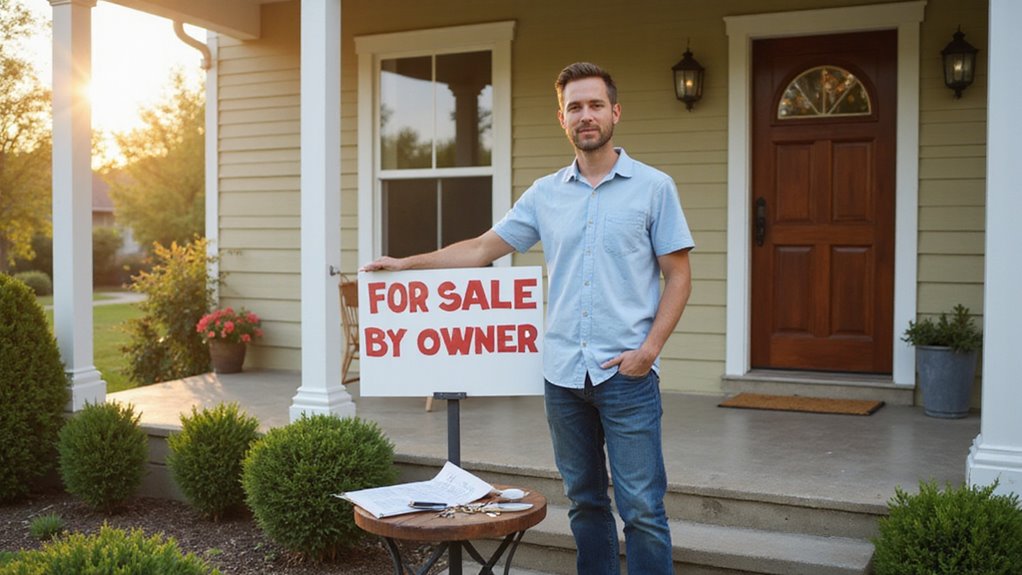
Selling your house on your own after an expired listing can feel overwhelming. Many homeowners struggle when their listing doesn’t sell and the pressure mounts. You may worry about making mistakes or missing important steps.
The process can get confusing fast. Shifting markets, legal paperwork, and unclear marketing strategies make it hard to know where to start. Many people give up or relist with an agent, missing out on savings.
You can successfully sell your house FSBO after an expired listing by using the right data, marketing, and legal know-how. This blog will guide you step by step to help you avoid common pitfalls and sell with confidence. Read on to see how you can solve this problem and take control of your home sale.
Key Takeaways
- Reevaluate your pricing strategy using recent local sales data to ensure the home is competitively priced for current market conditions.
- Prepare and stage the home by decluttering, making essential repairs, and enhancing curb appeal to attract more buyers.
- Take professional-quality listing photos and write compelling descriptions that highlight upgrades and unique features.
- Promote the home widely on major real estate websites and social media platforms to maximize exposure and buyer interest.
- Be responsive to inquiries, schedule showings promptly, and be prepared to negotiate directly with potential buyers or their agents.
Understanding Why Your Listing Expired

Your listing expired because it did not sell in the given time frame. The most common reason is that the price was too high. If this happened, buyers likely ignored your property. Listings usually expire because the asking price was too high, causing buyers to overlook your property during its time on the market.
You should check your pricing strategy first. Homes priced above market value usually attract fewer buyers. Adjust the price to match current market trends if necessary. If mold was present and undisclosed, mold disclosure requirements could also have deterred potential buyers.
You must also review your marketing efforts. Relying only on basic MLS exposure reduces your chances. Using social media, professional photos, and virtual tours can help attract more buyers.
Consider how your listing looked to your target buyer. If the photos or description were not appealing, buyers may have lost interest. Improving presentation can make your home more attractive.
If you analyze your price and marketing, you can spot what went wrong. A careful review will help you make a better plan for your next attempt. This approach gives you a higher chance of selling your home.
Many homeowners in Albuquerque who face expired listings also benefit from exploring local expertise in understanding the unique real estate market, which can help refine pricing and marketing strategies for a faster sale.
Evaluating the Local Real Estate Market
To price your FSBO property competitively, you’ll need to analyze recent comparable home sales in your neighborhood and assess current market trends. Review sales data, days on market, and price adjustments to gauge buyer demand and inventory levels. By grounding your strategy in this data, you position your listing for maximum exposure and optimal results.
Before setting your price, consider how capital gains tax exclusion may impact your net proceeds from the sale. If you’re considering alternative selling options, it’s helpful to understand the role of home for cash buyers and how their offers may differ from traditional market transactions.
Analyzing Comparable Home Sales
Analyzing comparable home sales helps you set the right price for your property. Comps are similar homes sold recently in your area. If you use comps, you can avoid asking too much or too little.
Start by finding homes with similar size, age, and features. Look for properties with the same lot size and recent upgrades. If a home was renovated or included a home warranty, its price may be higher.
Review how long each home stayed on the market and the difference between list and sale prices. If sellers offered concessions, consider how these affected the final price. Using this data allows you to price your home to match what buyers expect.
Identifying Market Trends
You need to study current trends before setting your price. Check average days on the market, median sale prices, and list-to-sale ratios. These numbers show how quickly homes sell and at what price.
Neighborhood safety matters to buyers. If local crime rates are low, your home may attract more interest. Look up crime data on city websites.
School ratings can affect your home’s value. Homes near top schools usually sell for more money. Use school district websites to find ratings.
Inventory levels show supply and demand. If few homes are for sale, you may set a higher price. High demand gives sellers more power.
Mortgage interest rates affect what buyers can afford. Rising rates can lower buyer demand. If rates drop, you may see more buyers.
Use real estate websites for market data. Municipal crime reports and school data also help. This information helps price your home competitively.
Setting the Right Asking Price

To set a competitive asking price, you’ll need to analyze current market trends and review recent sales of comparable properties in your neighborhood. Use this data to establish a baseline, then adjust for any unique features or upgrades your home offers. Accurate pricing maximizes buyer interest and reduces time on market.
If your property is inherited, make sure to have the property’s title deed and other relevant documentation ready, as proof of ownership is essential for a smooth sale. Additionally, understanding the benefits of selling for cash can help you assess your pricing strategy, especially if you’re looking for a speedy, hassle-free transaction.
Analyzing Local Market Trends
Setting the right asking price depends on understanding your local real estate market. You need to look at current trends in your area. This helps you avoid overpricing or underpricing your property.
First, check how many similar homes are for sale compared to the number of buyers. High competition usually means you should price your home more competitively. Low competition can let you set a higher price.
Next, study neighborhood demand by looking at average days on the market and recent showings. If homes sell quickly, you may have more room to price higher. If sales are slow, you might need to lower your expectations.
Always use real-time information from local MLS reports and housing data. Reliable data will help you make smart pricing decisions. If you follow this method, you base your price on facts, not guesses.
Comparing Similar Home Sales
To set your asking price, look at recent sales of similar homes in your area. These homes are called “comps.” They show what buyers have paid for properties like yours.
Check properties with similar size, bedrooms, bathrooms, lot size, and age. If possible, use homes sold in the last three to six months. Market conditions can change quickly, so recent sales matter most.
Also, review sale prices, days on market, and any price drops. Seller concessions can affect the final value. If a property was in better condition or staged well, it may have sold for more.
Use data from the local MLS, real estate sites, and public records. Accurate information helps you make a fair choice. If you price based on solid data, you are more likely to attract serious buyers.
Adjusting for Unique Features
Comparable sales give you a starting point for your price. You should adjust your price based on your home’s unique features. If your home is very different from others, your price may need to change.
Home staging adds value. Staged homes often sell faster and for more money. You can use this as a reason to ask for a higher price.
Energy-efficient upgrades, like new HVAC systems or solar panels, can attract buyers. These upgrades help lower utility costs. Buyers may pay more for these features.
If your home lacks updates, you may need to lower your price. Unusual features that not everyone likes can also affect value. Use data from similar homes to support your price.
Preparing Your Home for Sale
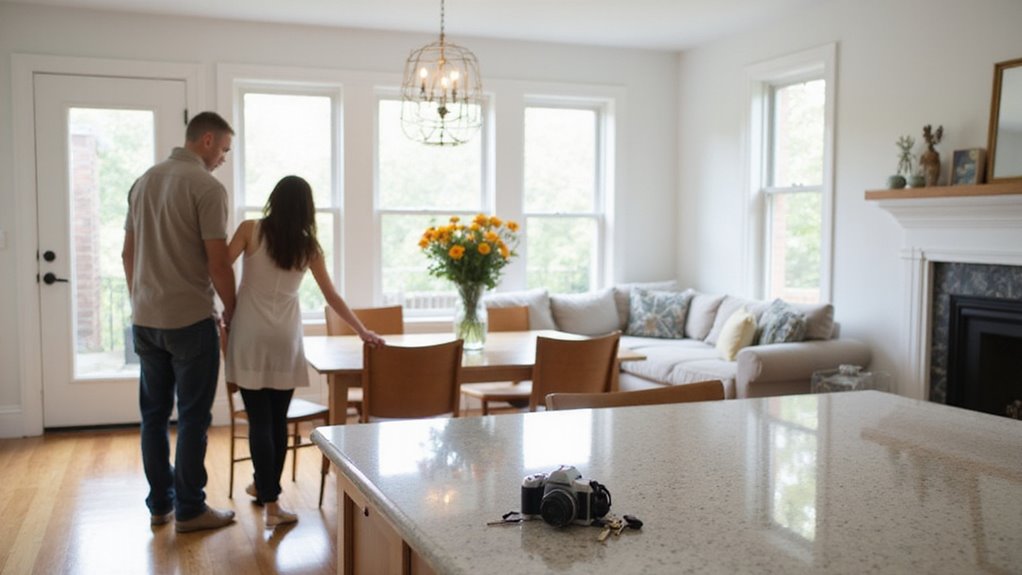
To sell your home, it must look its best before listing. A well-prepared home attracts more serious buyers. This can also help you get a better price. In many areas like Edgewood, cash home sales are becoming increasingly popular because they allow transactions to close faster and with less hassle.
Complete all important repairs, such as fixing leaks or electrical problems. Buyers expect homes to be safe and functional. Unrepaired issues may cause buyers to walk away. Address key repairs before listing—buyers want a safe, functional home and may leave if they find unresolved issues.
Remove clutter and personal items from every room. Clean, open spaces help buyers picture themselves living there. If buyers cannot imagine the home as theirs, they may lose interest.
Arrange furniture to show off the space and flow of each room. Staging makes the home feel welcoming and larger. Simple staging techniques leave a strong first impression.
Clean the entire home thoroughly, including floors and windows. A spotless house looks cared for and move-in ready. Buyers may feel more confident making an offer.
If you want to avoid spending time or money on repairs, consider selling your house as-is in Corrales, where local buyers are willing to purchase homes in any condition.
Enhancing Curb Appeal on a Budget
You can boost your home’s curb appeal without spending much money. Simple changes make a strong first impression for buyers.
Garden landscaping helps your home look tidy. Trim hedges, edge walkways, and add fresh mulch for a quick upgrade. The National Association of Realtors says basic lawn care brings a high return. If the property is owned by multiple people, it’s important to understand types of property ownership before making changes or listing the home.
Seasonal flowers in planters add color for little cost. Solar lights highlight your home and make it safer at night. If you brighten pathways, your home will feel more welcoming.
Clean your front door to make it stand out. New hardware and visible house numbers add a modern touch. These easy steps can help your FSBO listing attract more buyers. Before listing, make necessary repairs to ensure your home is move-in ready and more appealing to potential buyers.
Creating High-Quality Listing Photos
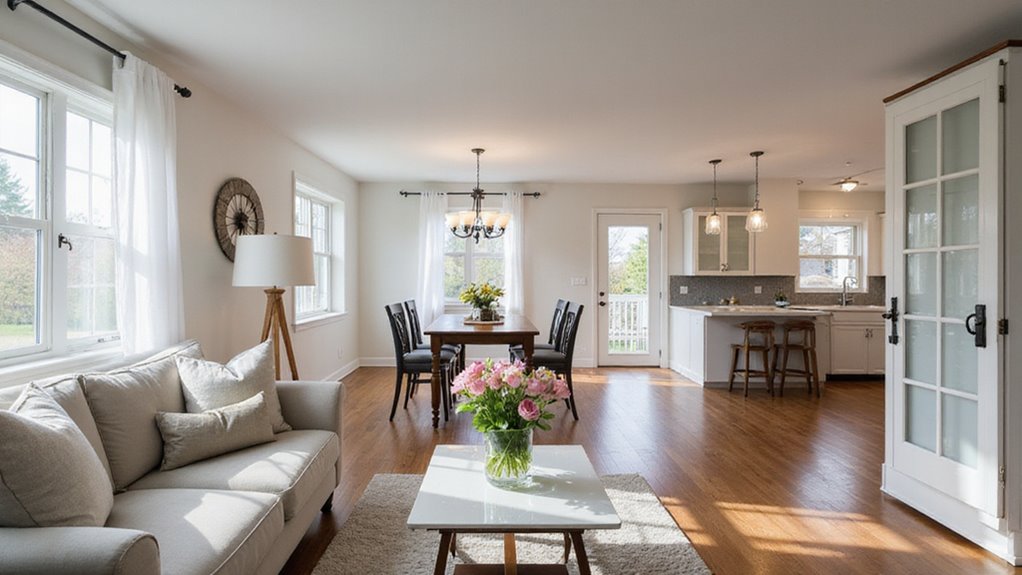
High-quality listing photos help your FSBO sale succeed. Most buyers search for homes online, so clear photos are important. Good images make your property stand out. Clear, high-quality listing photos are essential for FSBO success and help your property get noticed by online homebuyers.
Professional photographers can make your home look its best. If you use a photographer, your home may sell faster. Always prepare your home before the photo shoot. If you recently inherited property, be sure to have all legal documents ready before listing or photographing the home.
You should stage each room with simple and neutral decor. Natural light works best, so schedule photos during the day. Key spaces like kitchens and bathrooms need extra attention.
Photo edits should be accurate and true to life. Colors and room sizes in photos must match reality. Accurate photos build trust with buyers.
Taking professional photography of your home can help attract serious buyers and highlight the property’s best features, which is especially important for standing out in a competitive market.
Writing an Effective Property Description
Craft an engaging property description by spotlighting your home’s standout features—think upgraded appliances, energy-efficient systems, or custom finishes. Use persuasive language that connects with buyers emotionally while emphasizing value-added amenities. Homes with captivating descriptions see up to 50% more listing views, so your wording matters. If your property needs work, mentioning that it can be sold as-is for cash can attract buyers looking for quick and hassle-free transactions. Highlighting that you can sell your house fast by marketing directly to investors or companies that purchase homes for cash is an effective strategy, especially if you want to avoid a lengthy sales process.
Highlight Unique Home Features
Unique home features help your property stand out to buyers. If you want more interest, you should highlight these special qualities. Listings with unique features often attract more attention and better offers.
You can mention smart appliances or home technology if your home has them. Custom storage areas or built-in shelves make rooms more useful. Energy-saving improvements, like new windows or solar panels, are also important to point out.
If the house has outdoor spaces such as a deck or garden, be sure to show them. Home staging can make these areas look even better. Professional photos will help buyers see each special feature online.
Use Compelling Language
A strong property description helps your listing stand out online. Clear and precise language draws serious buyers right away. If you want to attract attention, always describe your home’s best features directly.
Recent home staging upgrades can make rooms look bigger and brighter. Specific details, like “hardwood floors” or “modern windows,” help buyers imagine the space. Virtual tours are also helpful, since listings with them get more views.
You should use words that let buyers picture themselves living in the home. If you avoid vague phrases, your listing sounds more professional. Highlight what is unique about your property with industry terms when possible.
Advertising Your Home Online

Advertising your home online helps you reach most buyers. Over 90% of buyers search for homes on the internet. Using online platforms is essential to get the best exposure.
Sellers should start with professional photos and basic home staging. Good photos and neat spaces make your listing more attractive. If your home looks appealing online, more buyers may show interest.
Every online listing must be clear and complete. Accurate details help buyers trust your listing. If you provide all the needed information, you can avoid confusion.
Your property should appear on major sites like Zillow, Trulia, and Realtor.com. Listing on these sites gives your home a wider audience. More exposure increases your chances of finding buyers.
Descriptions in your listing should highlight upgrades and special features. If you write clear and simple descriptions, buyers understand what makes your home special.
It is important to monitor how your listing performs. You can check how many people view your listing and adjust your approach if needed. If you see low engagement, try updating your photos or details.
If you need to sell especially quickly, you might consider cash buyer process as an alternative to traditional home listing, since it can help you avoid long waits and close the sale in as little as a week.
Leveraging Social Media for Maximum Exposure
Social media is essential for making your FSBO listing more visible online. If you use these platforms, you can reach more potential buyers. Social media helps you share your property with a wide audience quickly.
Homeowners should use social media ads to target buyers in their area. Interactive posts, virtual tours, and live Q&A sessions can attract more interest. If you keep your posts consistent, you will build more engagement.
Different platforms offer unique benefits. Facebook allows advanced ad targeting, while Instagram is best for visual stories. Twitter is good for real-time news, LinkedIn reaches professionals, and Nextdoor connects with neighbors.
If you track your results, you can see which platforms work best. You should adjust your content based on these insights. Rotating your content types can help maintain interest and improve your results over time.
Hosting Successful Open Houses and Showings
Hosting open houses and showings is a key step to attract serious buyers. These events turn online interest into real visits. Open houses help more buyers see your property in person.
Staging your home makes it look inviting and clean. You should remove clutter, add light, and hide personal items. Professionally staged homes often sell faster.
You should schedule open houses on weekends for more visitors. Avoid major holidays when fewer buyers are available. If you plan well, you can increase foot traffic.
Homeowners should fix small repairs and maintenance issues before showings. This can improve buyer confidence and reduce delays in negotiations. A well-maintained home leaves a good impression.
Sellers can prepare information packets with property details. Include utility costs, disclosures, and neighborhood facts. Buyers can make decisions faster with clear information.
Communicating With Interested Buyers
Inquiries from buyers show real interest. Fast and clear replies help move toward an offer quickly. Good communication is key when selling your home.
You should answer calls, emails, and texts within a few hours. If you reply quickly, buyers will stay interested. Always give correct and clear information about your property.
Share necessary details, such as disclosures and showing times. Set clear expectations for follow-up. Use professional language in all your responses.
Keep a record of all conversations with buyers. Track interested parties for future reference. If you communicate well, buyers will see you as reliable and may make serious offers.
Handling Offers and Negotiations
When offers come in, you’ll need to scrutinize each purchase agreement for price, financing terms, and closing timelines. Use market data to inform your counteroffer strategies and maximize your net proceeds. Pay close attention to buyer contingencies, as these can impact both your risk and the transaction’s likelihood of closing.
Evaluating Purchase Offers
You should look at each purchase offer carefully to get the best price and reduce risk. Focus on more than just the highest offer. Review the terms, buyer’s finances, and any conditions attached.
Home staging and curb appeal may attract more buyers. Multiple offers can give you more choices and better terms. If you receive several offers, compare them using these four key points.
Check the purchase price against recent sales in your area. Review the buyer’s pre-approval letter and loan type to see if they can really pay. Fewer contingencies often mean a quicker and easier sale.
Pay attention to the closing timeline. If a buyer’s schedule fits yours, you can save on extra costs. Weigh each factor before you decide, so you protect your interests and reach your goals.
Counteroffer Strategies
Counteroffer strategies help sellers get better terms when buyers make offers. Sellers should not accept the first offer without review. A thoughtful counteroffer can lead to a better price or better terms.
Use local sales data to support your counteroffer. Recent trends and similar home sales can show buyers your price is fair. If the market is strong, sellers can confidently ask for more.
Counteroffers can address price, closing date, or asking for fewer seller concessions. If a buyer’s offer is too low, a counteroffer shows willingness to negotiate. Sellers should always explain their reasoning to buyers.
If you control the negotiation and use facts, you are more likely to reach your financial goals. A clear and logical counteroffer increases your chance of a successful sale.
Navigating Buyer Contingencies
Buyer contingencies can affect how strong an offer is. These conditions may cause delays or even stop your sale from closing. Sellers should understand each contingency before accepting an offer.
If a buyer needs a loan, ask for a lender pre-approval letter. This helps you know if they can actually get financing. It also lowers the risk of the deal falling through.
Inspection contingencies can slow things down. Set clear deadlines for inspections and repairs in your agreement. This keeps your sale on track.
Some buyers need to sell their current home before buying yours. If possible, choose buyers who do not have this requirement. This will help your sale go faster.
Appraisal contingencies can also be an issue. Make sure buyers are willing to pay the difference if the appraisal is low. This reduces the chance of problems later.
Always review contingencies carefully. If you limit risky conditions, your sale is more likely to close on time.
Navigating the Paperwork and Legal Requirements
Handling contracts and legal documents is required after you find a buyer. These papers protect both you and the buyer. If you skip any paperwork, you could face legal trouble later.
Every state has its own disclosure rules, like lead paint or home defects. Sellers must use the correct forms for their state. Missing a disclosure can lead to lawsuits.
If you are unsure about any requirement, consult a lawyer. Always double-check deadlines for forms and disclosures. Meeting all legal steps keeps your sale safe and valid.
Closing the Sale Without an Agent
You must handle the final steps yourself if you sell without an agent. This means you will work directly with the buyer, their lender, and the title company. The process requires careful attention to detail to avoid mistakes.
You should first check all closing documents for accuracy. Look at the settlement statement, loan details, and deed for any errors. If you find a problem, contact the other parties right away.
You need to set a closing date that works for everyone. Make sure all parties agree on the time and place. Confirm these details in writing to avoid confusion.
The buyer will want a final walkthrough. Let them check that the home matches what they saw online and during showings. If anything has changed, discuss solutions before closing.
At the closing, you will sign papers, give the keys, and receive payment. If you follow each step carefully, the sale should finish smoothly. Always keep copies of all documents for your records.
Conclusion
If you want to sell your house FSBO after an expired listing, you need a clear plan. You should review your pricing, highlight your home’s strengths, and stay attentive to buyers. If you take these steps, you increase your chances of a successful sale.
If your home does not sell quickly, you may consider selling to a cash buyer. We buy houses for cash, which can remove stress and speed up the process. If you choose this route, you avoid repairs, showings, and long waits.
If you want a fast and easy sale, we can help. We are ABQ Property Buyers, and we buy houses in any condition. Contact us today to get a fair cash offer for your home.

Derrick Rosenbarger is a real estate investor and owner of ABQ Property Buyers, LLC since 2016. His background includes over 16 years as an Instructor Pilot in the United States Air Force, which honed his leadership skills. Today, he is dedicated to growing his real estate portfolio and helping others in the property market. Derrick's commitment to excellence makes him a reliable expert in real estate investment.