

Have you inherited property in Albuquerque and worry about hidden tax burdens? This isn’t just about gaining a home. Taxes can sneak up, making your inheritance a financial challenge.
Now, imagine federal estate taxes draining your funds. Larger estates often face hefty bills. Ignoring local rules can worsen your stress. But there’s hope with the right guidance.
Proper planning can minimize tax implications of inherited property. Knowledge and strategies will protect your assets. This blog will guide you through these tax challenges. We’ll help you find solutions fast.
Key Takeaways
- Inherited property in Albuquerque faces no state inheritance tax, but federal estate tax may apply if over $12.92 million.
- Annual property taxes are due based on the assessed value of inherited real estate in Albuquerque.
- Capital gains tax applies only on profit if the inherited property is sold, using a stepped-up basis.
- Property tax reassessments occur upon transfer, with state limits and caps preventing excessive increases.
- Consult a tax expert to navigate federal taxes and exemptions on inherited property in Albuquerque.
What is Inherited Property?
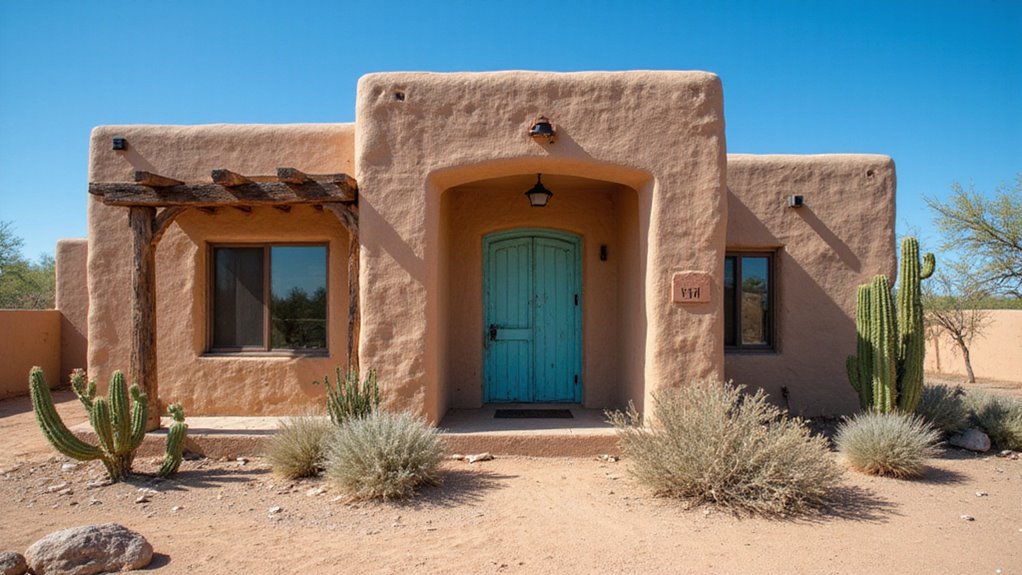
When you inherit property in Albuquerque, you’re receiving assets like a home, land, or personal items from someone who has passed away, often through a will or trust. It’s crucial to understand that inherited property differs from gifted property, as the latter is given during the donor’s lifetime with specific tax implications. Let’s break down these distinctions and examples to ensure you’ve got a clear grasp on what this means for your tax obligations. Additionally, keep in mind that as the inheritor, you assume tax obligations and property responsibilities upon receiving the inherited asset.
Definition and Examples
Inherited property means assets like homes, money, or items you get from someone who has passed away. These often come through a will or legal rules. Knowing this helps you handle taxes in Albuquerque properly.
You could inherit a family house or a large amount of cash. If someone leaves you historical artifacts, those count too. Unique items like geological specimens might also be inherited property.
Recognizing inherited property is key to managing your responsibilities. If you inherit something, taxes or legal duties may apply. Stay informed to avoid unexpected issues.
The Difference Between Inherited and Gifted Property
Inherited property is what you receive after someone passes away. It often comes through a will or estate plan. If a loved one dies, this transfer can carry deep emotional weight.
Gifted property is given to you while the donor is alive. You might discuss the timing or terms with them. If conditions are right, this can feel like a mutual decision.
These two types of property have different emotional and control aspects. Inherited property isn’t something you can plan for easily. If you’re in Albuquerque, knowing tax rules for each is essential.
Key Taxes Involved in Inheriting Property in Albuquerque
When you inherit property in Albuquerque, you’ll need to navigate several key taxes that can impact your financial obligations. Pay close attention to Estate Tax, Inheritance Tax, and Capital Gains Tax, as each plays a distinct role in the process. Understanding these taxes ensures you’re prepared to handle any liabilities tied to your inherited assets. Additionally, consulting a qualified tax expert can provide valuable guidance on managing these tax responsibilities.
Estate Tax
Estate tax is a federal tax on a deceased person’s property transfer. If you inherit in Albuquerque, knowing this tax is key. It applies when the estate value exceeds $12.92 million in 2023.
New Mexico has no state estate tax to worry about. However, federal rules under Estate Reform might still affect you. If the estate crosses the exemption limit, tax obligations arise.
If you’re handling an International Estate, cross-border tax issues can complicate things. Consult a specialist to manage these unique challenges. Staying informed helps avoid unexpected liabilities.
Ensure you know the filing deadlines for estate tax returns. Accurate property valuation is crucial for proper compliance. If unsure, seek guidance to minimize tax liability.
Inheritance Tax
Handling inheritance tax is important when inheriting property in Albuquerque. New Mexico has no state-level inheritance tax. This means you avoid extra state taxes on the property’s value.
Federal estate taxes might still apply to your inheritance. If changes occur in federal laws, your obligations could shift. Always stay updated on Inheritance Reform discussions.
Globally, some countries are reducing inheritance taxes. If you’re unsure, consulting a tax professional is wise. They can help you avoid unexpected liabilities.
Managing inherited property requires staying informed. If you plan ahead, compliance becomes easier. This ensures effective property management in Albuquerque.
Capital Gains Tax
Clarity matters when handling capital gains tax on inherited property in Albuquerque. If you inherit a home, no tax applies immediately. Selling it, however, might trigger tax on any profit made.
Inherited property gets a stepped-up basis, reflecting its value at the original owner’s death. This can reduce taxable gains if you sell. Knowing this helps in planning your sale wisely.
If you sell within a year, short-term gains tax applies at higher rates. Holding the property over a year qualifies for lower long-term rates. This difference can save you money.
Selling a primary residence might exclude up to $250,000 of gain. If you meet certain conditions, this exemption could apply. Always check eligibility to benefit from it.
Albuquerque’s Estate Tax
As you navigate Albuquerque’s estate tax, you’ll first need to understand who’s responsible for paying it and under what conditions. You should also know the specific exemption limits set by the city, which determine if your inherited estate qualifies for taxation. Finally, let’s break down how the estate tax is calculated here, ensuring you’ve got a clear grasp of the financial impact. Additionally, consulting a legal expert can help clarify state-specific inheritance laws and ensure compliance with local regulations.
Who Pays the Estate Tax?
The estate tax in Albuquerque is usually paid by the estate itself before any inheritance is distributed. Understanding who is responsible for this tax is important when inheriting property. If funds are low, roles may change.
The executor must ensure taxes are paid from estate funds before beneficiaries get their share. If you’re the executor, this task falls on you. Seek help if the process seems unclear.
Beneficiaries might need to pay the tax if estate funds are not enough. You could be asked to contribute in such cases. This depends on the estate’s financial status.
Taxes are taken directly from the estate’s value, reducing what you inherit. Your share might be smaller because of this. Check the estate’s worth to understand the impact.
Consulting a legal expert can clarify who must pay the tax. They can guide you through specific situations. Don’t hesitate to ask for help if needed.
Exemption Limits in Albuquerque
Estate tax exemption limits in Albuquerque are crucial for understanding your tax duties. These limits decide if you owe taxes on inherited property. If the estate value is below the threshold, no tax applies.
Local regulations set these Exemption Thresholds, which may change with economic shifts. Staying updated on these limits helps you plan better. If thresholds rise, you might save more on taxes.
Homestead Caps also provide relief for your primary residence. They limit the taxable value of your inherited home. If you qualify, this cap reduces your property tax burden.
Knowing both limits and caps is vital for managing finances. If you’re unsure, consult a tax expert for clarity. This ensures you avoid unexpected costs on inherited property.
How Albuquerque Estate Tax is Calculated
Albuquerque’s estate tax on inherited property follows clear steps. Knowing these helps you manage the tax process easily.
First, find the total value of the estate. This includes real estate and personal items using specific valuation methods. If the value is high, taxes may increase.
Next, use the tax bracket system for rates. These rates rise as the estate’s worth grows. You must check the correct bracket.
Then, subtract any exemptions from the total value. This gives you the taxable amount to work with. If exemptions apply, your tax lowers.
Finally, apply the rate from the bracket system. This calculation shows your final tax liability. With this, you can plan confidently.
Inheritance Tax in Albuquerque
As you navigate the complexities of inherited property in Albuquerque, you might wonder if there’s an inheritance tax you need to pay. Rest assured, New Mexico doesn’t impose an inheritance tax, unlike some other states where such taxes can significantly impact your estate planning. Let’s compare how inheritance taxes function elsewhere and what that means for you in Albuquerque. Additionally, understanding the process of selling an inherited property can be crucial, especially when considering options like cash house buyers for a quick and hassle-free transaction.
Is There an Inheritance Tax in Albuquerque?
Albuquerque, like all of New Mexico, has no state inheritance tax. This tax was repealed in the 1980s. If you inherit property, you won’t owe this specific tax.
The federal estate tax might apply if the estate’s value exceeds certain limits. Annual property taxes on inherited real estate are still required. Always check your specific situation for clarity.
If you face complex issues like cross-border inheritance, get professional advice. A tax expert can guide you through unique cases. This ensures you avoid unexpected tax burdens.
How Inheritance Taxes Work in Other States vs. Albuquerque
Inheritance taxes vary widely beyond Albuquerque. New Mexico has no inheritance tax, so you’re free from state-level taxes here. If you inherit elsewhere, though, rules can change drastically.
Some states impose inheritance taxes based on your relationship to the deceased. Pennsylvania and New Jersey tax heirs at different rates. If you’re a distant relative, you might pay more.
Tax rules differ significantly across states. Iowa taxes distant relatives but spares spouses from any tax. Maryland, however, mixes inheritance and estate taxes together.
If you inherit property outside Albuquerque, always check specific state laws. These differences could affect your financial duties. Staying informed helps you avoid unexpected costs.
Federal Taxes on Inherited Property

When dealing with inherited property in Albuquerque, you must understand the Federal Estate Tax and its potential impact on your finances. As a resident, you’re subject to this tax if the estate’s value exceeds the federal exemption threshold, which can affect how much you ultimately receive. Make sure you’re aware of the filing requirements, as failing to comply with IRS deadlines can lead to penalties. Additionally, obtaining a date-of-death property value assessment is crucial for accurate tax reporting and determining potential capital gains.
Federal Estate Tax
The Federal Estate Tax affects large estates in Albuquerque by taxing a deceased person’s total asset value. If your inheritance is substantial, understanding this tax is crucial to manage it well.
This tax only applies if the estate’s value exceeds the federal exemption limit. These limits are high, so many estates might not be taxed. Check the current exemption to see if it impacts you.
Tax rates for estates can reach up to 40% on the excess amount. If your estate qualifies, planning ahead can help reduce the burden. Always consult a professional for tailored advice.
You must file a federal estate tax return within nine months of the death. Assets, including property, are valued on the date of death. Ensure you meet this deadline to avoid penalties.
Stay updated on these rules to safeguard your inheritance. If unsure, seek guidance to navigate the process. Knowledge helps in protecting your assets.
Impact on Albuquerque Residents
Understanding federal taxes on inherited property is crucial for Albuquerque residents handling an estate. If you inherit property, you might face significant tax impacts based on its value. The stepped-up basis rule can lower capital gains tax if you sell.
These taxes also affect the local community in Albuquerque. They can influence real estate markets and wealth distribution. If you’re unaware, you might face unexpected financial burdens.
Navigating these federal rules requires careful planning. If taxes are high, they could strain your finances. Always seek advice to manage potential challenges.
Filing Requirements
Understanding federal tax rules for inherited property in Albuquerque is key to staying compliant. The IRS requires accurate reporting to prevent penalties. If you miss deadlines or forms, you could face issues.
Here are the steps for federal tax compliance. You must file Form 706 if the estate exceeds the exemption. Also, report any property income on your personal tax return.
Don’t forget to document the stepped-up basis for future sales. This helps calculate taxes correctly if you sell later. Keep all records updated for accuracy.
Ensure details are precise, just like for other important documents. If records are incomplete, it may cause delays. Staying organized avoids potential problems.
Capital Gains Tax and Inherited Property

When you inherit property in Albuquerque, you need to grasp the step-up in basis rule, which adjusts the property’s value to its worth at the time of the previous owner’s death, potentially reducing your tax liability. You’ll also face capital gains tax if you sell the property, calculated on the difference between the sale price and this stepped-up basis. Keep in mind that certain exceptions and exemptions might apply, so you’ve got to review these to optimize your tax obligations. Additionally, remember that some closing costs incurred during the sale can impact the calculation of your capital gains tax.
Understanding the Step-Up in Basis Rule
If you inherit property in Albuquerque, the step-up in basis rule can affect your taxes. This rule sets the property’s value to its fair market worth when the original owner dies. Knowing this helps you manage potential tax savings.
The property’s value at inheritance becomes your new basis for tax purposes. This means the old purchase price no longer matters. If you sell, this reset often reduces your taxable gain.
Keeping records of the inherited value is crucial for accuracy. If disputes arise, these documents will support your tax claims. Good documentation ensures you avoid unnecessary penalties.
This rule offers a clear tax advantage in many cases. If you plan to sell, consult a tax expert for guidance. Understanding these details can save you money.
How Capital Gains Tax Applies to Inherited Property
Inherited property in Albuquerque gets a new value for tax purposes. The IRS sets this to the fair market value when the original owner dies. If you sell it later for more, you pay capital gains tax on the profit.
This tax follows local rules but may have broader effects. If the property links to international assets, global tax rules could apply. Always check these connections to avoid issues.
Even digital assets might play a role in inheritance. If crypto is part of the estate, related tax rules may matter. Still, physical property remains the main focus here.
You must report any gains on your tax return. If you don’t, penalties could follow under federal or state laws. Stay compliant to avoid trouble in Albuquerque.
Exceptions and Exemptions
Inherited property in Albuquerque often faces capital gains tax on sale, but exceptions can reduce this load. Understanding these rules helps you manage taxes and safeguard your inheritance. If you know them, you’ll navigate the system easily.
Here are some key exceptions to note. The Step-Up in Basis means tax applies only to gains after inheritance. This value is set at the time of receiving the property.
Another relief is the Primary Residence Exclusion for owners. If you live there for two years, exclude up to $250,000 of gain. For couples, this limit rises to $500,000.
Additionally, consider Probate Exemptions for certain cases. Some properties skipping probate might get tax relief. If applicable, this can lower your tax burden.
Lastly, Creditor Exceptions may offer help. If estate debts are settled, taxable gains could decrease. This depends on the estate’s financial status.
Albuquerque Property Tax After Inheritance

When you inherit real estate in Albuquerque, you’re immediately faced with the impact of property taxes that can affect your financial planning. Understand that Albuquerque’s property tax system calculates what you owe based on the assessed value of the property, often reassessed after inheritance, which might lead to significant changes in your tax bill. Let’s examine how these assessments work and what adjustments you can expect as an heir.
Impact of Property Taxes on Inherited Real Estate
Inheriting property in Albuquerque means you must pay ongoing property taxes. These taxes depend on the property’s assessed value. If ignored, they can create financial stress.
Annual tax bills come based on local rates in Albuquerque. If property value rises, your tax burden may increase. Missing payment deadlines could result in penalties.
Always include property taxes in your budget planning. If you plan ahead, surprises can be avoided. Staying informed helps manage your inherited real estate well.
How Albuquerque Property Tax Works for Heirs
Inheriting property in Albuquerque means you handle property taxes once it’s in your name. These taxes support local services like schools and roads. The Bernalillo County Treasurer’s Office sends an annual bill based on the property’s value.
You can pay the full tax amount by the due date to get a discount. If you choose installments, late payments might lead to penalties. Ensure you track deadlines to avoid extra costs.
If you think the tax amount is wrong, you can appeal it. The county’s protest board handles such disputes. Act fast, as appeal deadlines are very strict.
Staying informed helps you manage these responsibilities well. If ignored, unpaid taxes could lead to liens on the property. Always plan ahead to prevent financial surprises.
Property Tax Assessments and Changes
Inherited property taxes in Albuquerque can change after a transfer. The county assessor might raise the property’s value then. This could increase your tax burden if not checked.
First, review the new property value for any errors. If it seems wrong, file an appeal before the deadline. This can help correct overvalued assessments.
Always monitor local tax reforms for updates. These changes might affect your inherited property rates. If unsure, stay informed through official sources.
Consider hiring a tax professional for guidance. They can assist with disputes or savings. This ensures you avoid overpaying on taxes.
Handling Inherited Property in Albuquerque
When you inherit property in Albuquerque, you’ve got critical decisions to make about selling, renting, or keeping it. Each option carries distinct financial and legal implications, so weigh the tax burdens and market conditions carefully. Don’t overlook other key factors like maintenance costs or emotional ties that could impact your choice. If the inherited property has a reverse mortgage, you may need to address the loan balance quickly to avoid complications.
Selling the Property
Selling an inherited property in Albuquerque can be a smart choice if done right. You must understand the process and tax rules to succeed. If you plan well, you can earn a good profit.
Start by checking local market trends to price the home fairly. A realistic price attracts potential buyers quickly. If the market is slow, be ready to adjust your expectations.
Next, prepare the property by fixing any major issues. Small repairs can make the home more appealing. If needed, invest in minor upgrades for better offers.
Hire a skilled realtor to guide you through buyer negotiations. They can help you get the best deal possible. If you choose wisely, the process becomes much easier.
Lastly, learn about tax rules like capital gains and stepped-up basis. Understanding these can save you money during the sale. If unsure, consult a tax expert for advice.
With these steps, you’re ready to sell efficiently in Albuquerque. Follow them to maximize your return. If challenges arise, stay patient and focused.
Renting or Keeping the Property
If you inherit a property in Albuquerque and don’t want to sell, consider renting or keeping it. Renting offers steady income if you set fair rates based on local trends. Always screen tenants carefully to prevent future problems.
Keeping the property is another option if it suits your personal needs. Think about its long-term value before deciding. Ensure it meets your lifestyle or family goals.
Maintenance is key whether you rent or keep the property. Budget for regular upkeep and fix repairs quickly. If possible, make upgrades to increase appeal or efficiency.
Lastly, consider tax rules and costs for both choices. Weigh these factors to match your financial plans. If unsure, consult a local expert for guidance.
Other Considerations When Inheriting Property
Inheriting property in Albuquerque involves more than just renting or keeping it. You must consider several important factors. These aspects can make the process complex if ignored.
Family disputes often happen during property division. Open communication with relatives can prevent misunderstandings. If conflicts arise, address them calmly.
The emotional impact of loss can be heavy. Acknowledge your feelings and seek support if needed. This helps in making clear decisions.
Legal obligations are crucial to understand. Check for any liens or debts linked to the property. If issues exist, resolve them early.
Future planning is also essential. Decide if keeping or selling the property fits your goals. This ensures long-term satisfaction.
Tax Benefits of Inherited Property in Albuquerque
As you navigate the complexities of inherited property in Albuquerque, you’ll find that special tax breaks for heirs can significantly reduce your financial burden. You can also utilize the property for valuable tax deductions, optimizing your overall tax strategy. Let’s examine how these benefits work to ensure you’re maximizing your inheritance’s potential.
Special Tax Breaks for Heirs
In Albuquerque, inheriting property comes with special tax breaks that reduce your financial stress. These benefits help protect heirs from heavy tax burdens. If you understand them, you can save more money.
One major break is the step-up in basis for capital gains tax. This means you only pay tax on value growth after inheritance. If the property value rises later, your tax is lower.
Heirs often avoid large estate taxes up to federal limits. If your inheritance falls within these thresholds, you pay less. This can make a big difference in your finances.
Spouses may defer taxes if inheriting through QTIP trusts. This allows you to delay payments until a later time. If applicable, it offers extra financial flexibility.
The GST exemption helps reduce taxes on transfers to grandchildren. If you plan ahead, you can save on generational taxes. This secures more value for your family.
Using Inherited Property for Tax Deductions
Inherited property in Albuquerque can offer great tax benefits. By using tax deductions, you can lower your taxable income. If you act wisely, these savings could be significant.
Donating your inherited property can help with taxes. If you give it to a qualified organization, you may claim deductions. This is based on the property’s fair market value then.
Selling at a loss can also benefit you. If the property’s value falls below the stepped-up basis, claim a write-off. This could offset other taxable gains you have.
Tax rules can be tricky to follow. Always consult a tax professional for guidance. They ensure compliance with IRS and local Albuquerque laws.
How to Avoid Paying Excessive Taxes on Inherited Property
If you’ve inherited property in Albuquerque, you can take smart steps to minimize your tax burden with proven strategies. Start by exploring options like timing the sale of the property or utilizing tax exemptions specific to inherited assets. Don’t hesitate to consult a tax professional who can provide tailored advice to ensure you’re not overpaying.
Strategies for Minimizing Tax Burdens
Handling taxes on inherited property in Albuquerque can be manageable. Smart planning helps reduce your tax burden effectively. If you act wisely, your wealth stays protected.
One strategy is to use the step-up in basis. This adjusts the property value at inheritance, cutting capital gains tax. If you sell, taxes could be lower.
Another option is renting out the property. Rental income allows deductions for maintenance and depreciation. If done right, this offsets tax costs.
You can also explore IRA rollovers for inherited retirement accounts. This defers tax payments to a later time. If eligible, it saves money now.
Lastly, consider annuity investments for steady income. They help manage tax exposure efficiently. If planned well, taxes become less burdensome.
Consulting with a Tax Professional
Inherited property taxes in Albuquerque can be tricky to handle. A tax professional can guide you through the rules. They will help value your property and reduce your tax burden.
These experts can explain step-up in basis and find deductions. If you’re unsure about regulations, their advice is crucial. They ensure you don’t overpay on taxes.
A tax advisor might also support your long-term plans. If you have a business or rental property, they can assist. Their help with payroll services can simplify tasks.
Don’t wait to seek expert help for your inheritance. If mistakes happen, they could cost you money. Schedule a consultation to protect your finances now.
Common Mistakes to Avoid When Inheriting Property
When inheriting property in Albuquerque, you must watch out for critical errors that can lead to costly consequences. Don’t misinterpret the complex tax laws surrounding inherited property, as misunderstandings can trigger unexpected liabilities. Also, make sure you file the proper tax returns on time to avoid penalties and legal issues.
Misunderstanding Tax Laws
Navigating inherited property taxes in Albuquerque can be tricky. If you learn the basics, you’ll avoid costly mistakes. Knowledge helps you steer clear of common errors.
Many believe inherited property is always tax-free, but that’s a myth. Step-up in basis rules often apply here. If you assume otherwise, you might face unexpected taxes.
Misjudging your tax bracket is another common error. If you calculate wrong, your tax liability estimate fails. Always double-check your bracket to stay accurate.
Albuquerque has unique local tax regulations to follow. Ignoring them can lead to penalties or fines. If unsure, research these laws carefully.
Don’t skip consulting a tax expert for guidance. They can clarify doubts and save you money. If you hesitate, mistakes might cost you.
Stay informed to manage inherited property taxes well. If you prepare, confidence will follow naturally. Precision comes with the right information.
Failing to File Proper Tax Returns
Handling inherited property taxes in Albuquerque can be tricky. If you fail to file proper returns, serious trouble awaits. Missing deadlines or submitting incomplete forms can lead to big penalties.
These Filing Penalties can grow quickly if you’re not careful. The IRS enforces strict rules, and Albuquerque follows suit. Local compliance is a must to avoid issues.
Late or messy filings also raise your Audit Risks significantly. If scrutiny comes, financial stress might follow soon. Ensure all documents are ready to prevent problems.
Don’t think a gifted property excuses you from responsibility. If unsure, consult a tax professional for guidance. This step can save time, money, and worry.
The Role of Professional Help in Managing Inherited Property Taxes
When managing inherited property taxes in Albuquerque, you’ll find that enlisting an estate planning attorney is crucial for handling complex legal requirements and ensuring your inheritance is protected. Working with tax professionals also offers significant advantages, as they can help you minimize liabilities and maximize deductions specific to local regulations. Don’t underestimate their expertise; it’s a smart move to secure your financial future.
Importance of Estate Planning Attorneys
Hiring an estate planning attorney is crucial for managing inherited property taxes in Albuquerque. They offer expert help in navigating complex legal and tax issues. If you need succession planning, they secure your assets for the future.
Attorneys provide clear guidance on Albuquerque’s inheritance laws. They create strategies to lower tax burdens on your property. If disputes arise, they can mediate family conflicts effectively.
They prepare precise wills and trusts to prevent errors. If minors are involved, they assist with guardian appointments. Their support ensures your documents are legally sound.
Their help saves you valuable time and money. If mistakes occur, they minimize costly errors. Relying on them reduces stress during tough times.
Benefits of Working with Tax Professionals
Handling inherited property taxes in Albuquerque is tricky, but tax professionals can help. They know the complex tax laws for inherited assets well. Their guidance ensures you stay compliant and avoid errors.
These experts focus on keeping your filings accurate to prevent IRS issues. If mistakes happen, they can reduce audit risks. You can rely on their skills for peace of mind.
They also create plans to save you money on taxes. If deductions apply, they’ll find every possible expense for your property. This helps lower your tax burden significantly.
Trust their advice to simplify reporting and protect your finances. If you’re unsure, they’ll save you time and stress. Working with them preserves your inheritance’s value effectively.
Conclusion
In conclusion, inheriting property in Albuquerque comes with tax implications. Federal estate taxes might apply if thresholds are met. Understanding capital gains can prevent unexpected costs.
If you’re navigating these challenges, consider a simple solution. We buy houses for cash, easing your burden. This can simplify tax concerns quickly.
Should you need assistance, we’re here to help at ABQ Property Buyers. Contact us to discuss your inherited property. Let’s secure your financial future together.

Derrick Rosenbarger is a real estate investor and owner of ABQ Property Buyers, LLC since 2016. His background includes over 16 years as an Instructor Pilot in the United States Air Force, which honed his leadership skills. Today, he is dedicated to growing his real estate portfolio and helping others in the property market. Derrick's commitment to excellence makes him a reliable expert in real estate investment.