
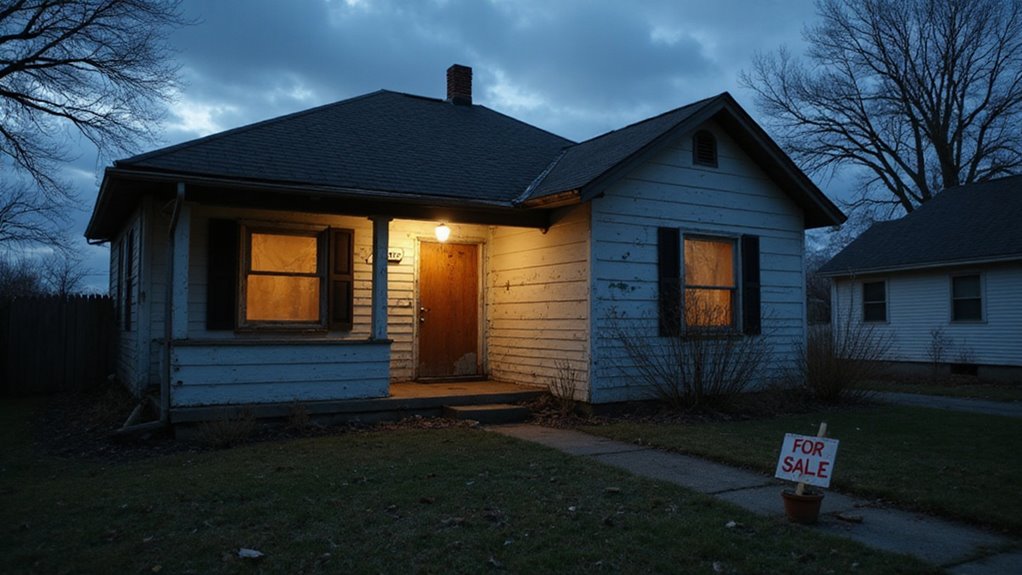
Facing foreclosure and unable to sell your home is a serious problem. This situation can lead to losing your property. It brings stress and uncertainty about your future.
The lender may auction your home, often at a low price. If no one bids enough, they might reclaim it. Eviction could follow, and financial damage is almost certain. But there’s hope if you act quickly and seek help.
You can explore options like loan modification or short sales to avoid foreclosure. Guidance from experts can make a big difference. This blog will guide you through solutions to tackle foreclosure challenges.
Key Takeaways
- If you can’t sell, your home will likely be auctioned at a courthouse or online.
- Bidding at auction often starts at the loan balance or lower.
- If bids are insufficient, the lender may reclaim the property.
- Post-auction, a formal eviction notice will be issued to vacate.
- Credit damage from foreclosure can persist for up to seven years.
What Is Foreclosure?

Foreclosure is a legal process where a lender takes back a property. This happens if you miss mortgage payments. It means you’ve defaulted on your loan.
This process isn’t new; it has existed for centuries. If economic times were tough, many couldn’t pay debts. The Great Depression saw huge numbers of foreclosures.
Foreclosure rules differ across states and countries. Some places need court approval for the process. Others use faster methods with less oversight.
If debts remain unpaid, you lose your home. Understanding foreclosure helps you make better choices. It’s a serious result of financial trouble. Facing this, a short sale agreement with your lender might be an option to explore.
Why Homeowners Try to Sell Before Foreclosure
When facing foreclosure, you might consider selling your home to protect your credit score from severe damage. You’re also likely aiming to sidestep the complex legal issues that come with the process. Beyond that, selling can offer you significant emotional and psychological relief from the stress of losing your property. Additionally, a quick sale can help you avoid the long-term financial impacts of foreclosure on your ability to secure future loans or housing.
Preserving Credit Score
Facing foreclosure can harm your financial future, but selling your home early helps protect your credit score. If you act quickly, you can avoid a major credit drop of hundreds of points. This step shows lenders that you are responsible and proactive.
Foreclosure makes getting loans or renting very hard, so don’t delay your decision. Start monitoring your credit regularly to spot any issues early on. If your score falls, focus on rebuilding it with on-time payments.
Reducing debt also helps improve your credit over time. Consider negotiating with lenders or exploring other options if selling isn’t possible. Acting fast can save your financial lifeline for better chances later.
Your credit score matters as it shapes your opportunities tomorrow. Protect it now by staying informed and taking control. If you wait, the damage could grow worse.
Avoiding Legal Complications
Selling your home before foreclosure protects you from legal issues. If you delay, lenders might sue to recover losses. This could lead to wage garnishment or asset seizure.
Acting quickly helps you avoid expensive court battles. If you sell early, you can explore mediation with lenders. This strategy settles debts without involving courts.
Another option is arbitration if disputes happen. It resolves conflicts faster than regular lawsuits. This process also cuts down on legal costs.
Emotional and Psychological Relief
Homeowners often sell before foreclosure to protect their mental health. Facing foreclosure brings intense stress and deep shame. Selling early helps you avoid this emotional pain.
This choice lets you take control of a tough situation. If you act fast, you can close a difficult chapter. It reduces the burden of losing everything to a lender.
Selling also supports your psychological well-being significantly. It lowers anxiety and rebuilds your confidence over time. If you decide early, recovery feels more achievable.
Acting quickly is not a sign of giving up. Instead, it shows strength in seeking a fresh start. Your well-being matters more than just credit scores.
Challenges in Selling a House Before Foreclosure
When you’re racing against foreclosure, time constraints can severely limit your ability to sell your house quickly. Market conditions might not be in your favor, with low demand or oversupply making it tough to attract buyers. Additionally, if your property’s condition is poor or its valuation doesn’t meet buyer expectations, you’ll face even steeper hurdles in closing a deal. Pricing your home too high can also deter potential buyers, especially under the pressure of a looming foreclosure threat.
Time Constraints
Time is critical when selling your house to avoid foreclosure. You often have only weeks or months to act. A skilled realtor can help you move quickly and efficiently.
Delays in paperwork or pricing errors can cost you dearly. Stay focused on every detail to prevent mistakes. If issues arise, address them immediately to keep the process moving.
Streamline property showings to attract buyers fast. Respond to offers without hesitation to secure a deal. If possible, push for a quick closing to beat the deadline.
Every step must be precise to save your home. Think of this as a urgent project needing perfect timing. If you falter, the bank may take over soon.
Market Conditions
Market conditions can make selling your house before foreclosure very tough. When economic trends show a downturn, buyers become scarce. If interest rates are high, fewer people might afford to buy.
Economic uncertainty also reduces buyer interest in your home. Regional fluctuations can hurt your chances too. If your area has too many houses, selling quickly becomes harder.
Imagine weeks passing with empty open houses. Your home might sit unsold for a long time. If neighboring homes drop in price, your value could fall too.
Some regions may feel like ghost towns with no buyers. If demand declines, selling before foreclosure feels impossible. These challenges can truly test your patience.
Property Condition and Valuation Issues
Property condition is critical when facing foreclosure. Poor condition scares buyers due to repair fears. If your home shows damage, quick sales become tough.
Homes with cracks or leaks make buyers hesitate. They worry about high repair costs. If you fix small issues, sales chances improve.
Condition also impacts how appraisers value your home. A damaged house often gets a lower appraisal. If repairs are needed, the price drops.
Address minor problems like leaks before listing. If time is short, set a lower price. This can attract serious buyers fast.
What Actually Happens If You Can’t Sell a House Before Foreclosure
If you can’t sell your house before foreclosure, you’ll face a tough road as the process transitions into full foreclosure. You’ll see your property move to an auction, where it’s sold to the highest bidder, often at a steep discount. After that, you’re likely to deal with eviction and potential legal ramifications if you don’t vacate promptly. Additionally, if your house has a reverse mortgage, selling to real estate investors can be a quick solution to avoid foreclosure complications.
Transition Into Foreclosure
When you can’t sell your house before foreclosure, the process starts with clear steps. Lenders begin formal actions if payments are missed. Understanding this helps you prepare for what’s ahead.
First, legal notices arrive as warnings from the lender. These letters demand payment or threaten further action. If ignored, the situation worsens quickly.
Next, home inspections might happen by unknown people. They check your property’s condition for the next steps. This can feel invasive but is part of the process.
Then, public records update with your home’s foreclosure status. Your struggle becomes visible to others through official filings. If this happens, privacy feels lost.
Seek help from community resources or professionals early on. Acting fast could lessen the impact on you. Don’t delay if you face this issue.
Auction Process
Your house goes to auction if it doesn’t sell before foreclosure. The lender aims to recover their money quickly. This critical stage happens at places like a courthouse.
Auctions can be live or online, depending on state rules. You cannot control the sale, but knowledge helps. If you attend, you still can’t stop it.
Bidders, like investors, aim for low prices using smart strategies. They often start at the loan balance or less. If bids are too low, the lender might take the property.
This auction is your last chance before ownership changes. Brace yourself for a quick decision. If no one bids enough, outcomes could shift fast.
Eviction and Legal Ramifications
Eviction is the next step if a foreclosure auction doesn’t save your home. You’ll receive a formal notice to leave. If ignored, this process can’t be stopped.
Some believe they can stay in the home forever. This is a myth and legally untrue. If you don’t act, consequences follow.
A sheriff might show up to enforce the eviction. Your belongings could end up outside on the curb. If this happens, your credit may suffer for years.
Time is limited after foreclosure notices arrive. You must respond to avoid legal trouble. If delayed, the situation worsens fast.
How Foreclosure Impacts You Financially
When foreclosure hits, you’re facing serious financial consequences that can reshape your future. Your credit score takes a massive hit, making it tough to secure loans or favorable interest rates down the line. You’ll also need to brace for potential tax implications and deficiency judgments, which can add to your financial burden. Additionally, selling a home under distress may still result in capital gains tax liabilities depending on the profit made from the sale.
Damage to Your Credit Score
A foreclosure hits your credit score hard, dropping it by 100 to 160 points. This damage lingers for seven years, affecting your finances. It creates real challenges in daily life.
The impact shows in several ways. If you try renting, landlords might reject you as a risk. Insurance companies could also raise your premiums.
This mark on your record adds stress. You may face limited choices and missed opportunities. If ignored, it worsens your financial stability.
Take action quickly to reduce harm. If you delay, recovery becomes tougher. Seek help to protect your future.
Difficulty Obtaining Future Loans
Foreclosure makes getting future loans hard because lenders view you as risky. They check your credit history and often doubt your repayment ability. If your credit score is low, securing traditional loans becomes very tough.
You might explore alternatives like private lenders or government programs. These options could have strict rules or high interest rates. If you qualify, the terms might still be challenging.
Rebuilding trust with lenders requires showing steady income. If you maintain consistent earnings, they may consider you reliable. Over time, good financial habits can help you regain better loan options.
Tax Implications and Deficiency Judgments
Foreclosure brings more than losing your home; it can create serious financial issues. If the IRS counts forgiven debt as income, you might face a big tax liability. Lenders could also seek deficiency judgments for unpaid loan amounts.
This means extra costs can hit you hard after foreclosure. You might receive a 1099-C form showing canceled debt as taxable income. Court notices may arrive, demanding payment for the remaining balance.
If garnishment threats appear, your bank account could be at risk. Acting quickly is crucial to reduce these financial burdens. Consider judgment appeals if rulings seem unfair to you.
Foreclosure Prevention Tips for the Future
To prevent foreclosure in the future, start by mastering financial planning and budgeting to keep your expenses in check. Build an emergency fund now, as it’s a critical safety net for unexpected financial hits. Don’t wait—reach out to your lenders early if you’re struggling, since proactive communication can open doors to workable solutions. Additionally, understanding tax-deductible closing costs can help manage overall homeownership expenses and reduce financial strain.
Financial Planning and Budgeting
Safeguarding your home from foreclosure starts with good financial planning. If you manage money wisely, risks can decrease. A disciplined budget helps secure your home’s future.
First, create a clear budget for all expenses. Make sure mortgage payments are your top priority. If possible, cut unnecessary costs to save more.
Second, find ways to increase your income. You could try side jobs or small investments for extra cash. If income grows, you’ll handle tough times better.
Lastly, think about long-term financial goals. Include retirement savings in your plan for added security. If challenges arise, a safety net will help.
Don’t delay taking action to protect your home. Start refining your finances today for peace of mind. If you act now, foreclosure risks can be avoided.
Emergency Fund Importance
An emergency fund protects your home from foreclosure during unexpected crises. It acts as a financial safety net for sudden expenses. Without it, you might miss mortgage payments and risk losing your property.
If medical bills pile up, your savings could vanish quickly. Travel issues, like emergency trips, can also strain your budget. Without funds, these shocks could push you into financial trouble.
Aim to save three to six months’ worth of expenses. If that feels tough, start with small, regular contributions. Consistency matters more than the amount at first.
Don’t wait for a crisis to hit your finances. Building this fund now can prevent foreclosure risks later. It’s your best shield against unexpected challenges.
Communicating With Lenders Early
Building an emergency fund helps prevent foreclosure, but talking to your lender is also crucial. If you face money troubles, contact them early to explain your situation. This step can open doors to helpful solutions.
Proactive communication might lead to better loan terms or temporary relief. When you reach out, be honest about your financial struggles. Lenders often appreciate early notice and may offer support.
Imagine the peace you could feel by taking action now. If you call your lender, they might listen and assist. Picture a new payment plan easing your stress.
Don’t delay this important conversation with your lender. Acting quickly can protect your home from foreclosure. Take charge of your future today.
Conclusion
If you’re facing foreclosure, know that options still exist to protect your home. Losing a property is tough, but you can act now. Prevention and guidance can make a difference.
Should you need a quick solution, consider selling your home for cash. We buy houses for cash, offering a fast way out. This could help avoid foreclosure’s lasting impact.
If you’re ready to move forward, we’re here to assist at ABQ Property Buyers. Contact us today for support. Let’s work together to secure your financial future.

Derrick Rosenbarger is a real estate investor and owner of ABQ Property Buyers, LLC since 2016. His background includes over 16 years as an Instructor Pilot in the United States Air Force, which honed his leadership skills. Today, he is dedicated to growing his real estate portfolio and helping others in the property market. Derrick's commitment to excellence makes him a reliable expert in real estate investment.