
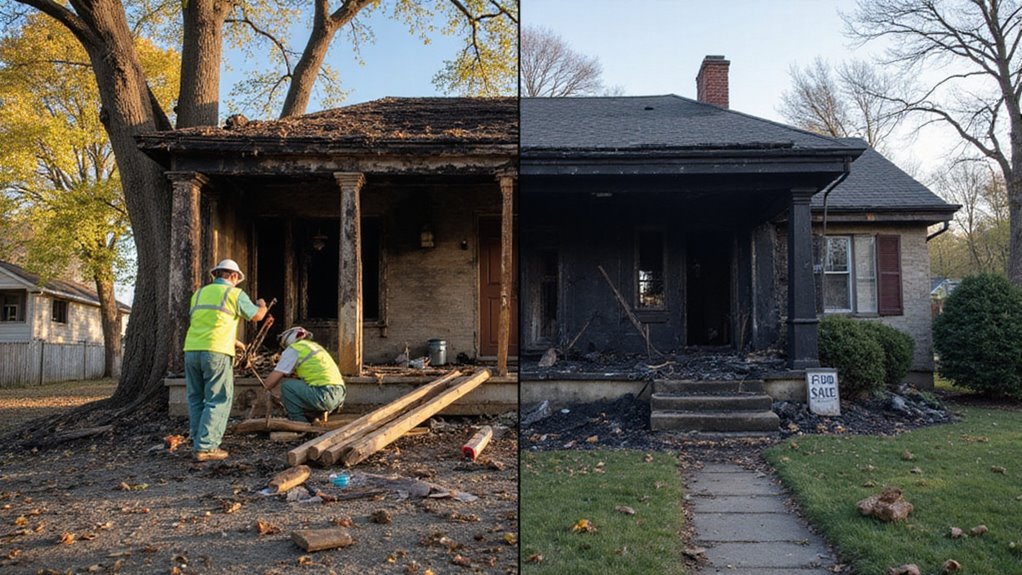
Fire damage to your property brings a tough decision. Should you restore it or sell as-is? This choice impacts your finances and future plans. Restoration can be expensive and take months to complete.
Selling as-is might mean less money in your pocket. The stress of deciding can feel overwhelming. But don’t worry, there’s a way to choose wisely.
Comparing fire damage restoration versus selling as-is reveals the best path. Consider your goals to make the right move. This blog will guide you through key factors to solve this dilemma.
Key Takeaways
- Fire damage restoration increases property value and buyer interest but involves high costs and lengthy timelines.
- Selling as-is offers faster transactions and cost savings by avoiding repairs, though at a lower sale price.
- Restoration preserves heritage and allows customization, while as-is sales reduce stress and effort.
- As-is sales attract investors or flippers seeking bargains, unlike restored properties appealing to traditional buyers.
- Restoration risks hidden damages and delays, whereas as-is sales may involve legal issues if damage isn’t disclosed.
Understanding the Impact of Fire Damage on Your Property
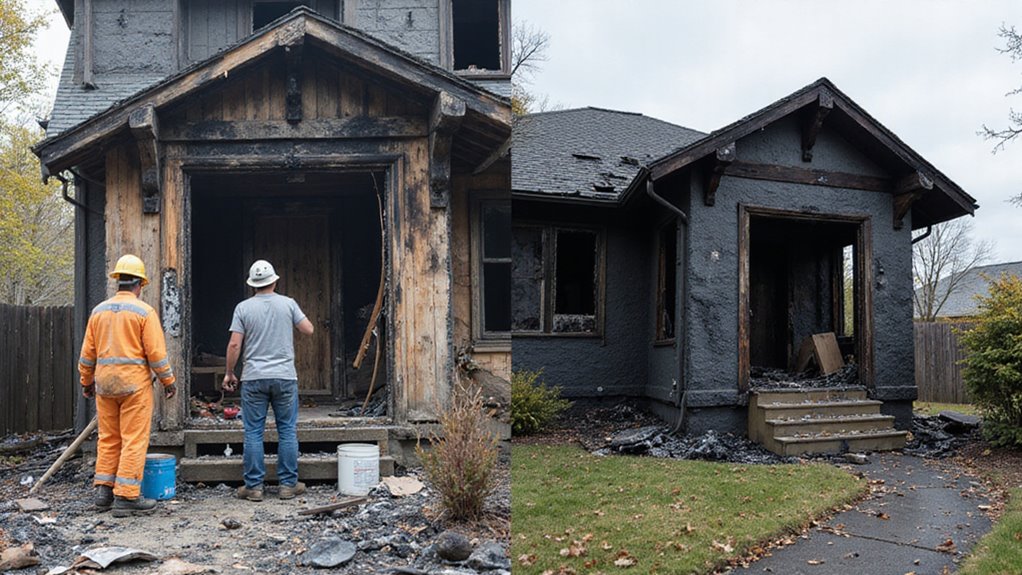
When assessing fire damage to your property, you’ll first notice structural issues and safety hazards that can compromise the building’s integrity. Beyond the visible destruction, smoke and soot infiltrate every corner, leaving behind toxic residues that threaten air quality. Additionally, water used to extinguish the fire often causes contamination, creating further risks you can’t ignore. The extent of this damage can lead to a significant 20-30% decrease in your property’s market value.
Structural Damage and Safety Concerns
Fire damage severely impacts your property’s foundation by weakening key structures. Intense heat can distort beams and crack walls. If ignored, this hidden damage can lead to serious risks.
Safety audits are crucial to spot weakened areas in your home. These checks reveal if walls or roofs might collapse. Without them, you could face unexpected dangers.
You must act fast to assess fire damage thoroughly. Detailed inspections ensure no issue is missed during evaluation. If you plan to restore or sell, safety remains a priority.
Smoke, Soot, and Water Contamination
Fires leave behind smoke, soot, and water damage that affect your property. These elements seep into walls, furniture, and fabrics quickly. If ignored, they can cause lasting harm and bad smells.
Smoke and soot create serious risks to your breathing. Inhaling these particles may damage lungs or cause health problems. You must act fast to avoid these dangers.
Water from firefighting can lead to mold if not dried properly. This mold adds more contamination to your home. Quick action is vital to stop further issues.
Thorough cleanup is needed to remove toxins and ensure safety. Special tools help clear residues and clean the air. Without this, your property’s value and safety could drop.
If you skip proper cleanup, lingering hazards might affect decisions. You could struggle to restore or sell the property. Addressing contamination early saves time and money.
What Is Fire Damage Restoration?
When you’re facing fire damage, understanding restoration means grasping the detailed process of repairing and rebuilding your property to its pre-fire condition. You’ll encounter various steps, from smoke and soot cleanup to structural repairs, each with its own timeline and challenges. Plus, you’ve got to consider the costs, which can vary widely based on damage extent and required materials or labor. Selling a home after fire damage can also be an option, especially if you choose to sell as-is without inspection.
The Restoration Process Explained
Fire damage restoration repairs and rebuilds a property after a severe fire. It involves a clear, step-by-step approach to revive your home. If damage is extensive, professionals start by assessing every detail.
They check for structural problems and soot spread across the property. Debris is removed, and salvageable items are saved carefully. If anything is missed, it could delay the process.
Special cleaning methods are used to limit environmental harm. Experts apply advanced tools like thermal imaging for hidden issues. If problems are found, they address them promptly.
The final step is rebuilding your space to its original state. This process helps you reclaim your safe haven. If done right, your home feels like new again.
Costs Involved in Fire Damage Restoration
Understanding fire damage restoration costs is essential before starting the process. These costs depend on the fire’s intensity and property size. You will face expenses for repairs, smoke removal, and replacing items.
Structural repairs can be costly if the damage is severe. Labor and material prices often rise due to supply issues. Inflation may also increase costs for construction and skilled work.
Temporary housing might be needed during repairs, adding extra expenses. Carefully check your budget and insurance coverage first. If unprepared, these costs could become a heavy burden.
Pros and Cons of Restoring a Fire-Damaged Property
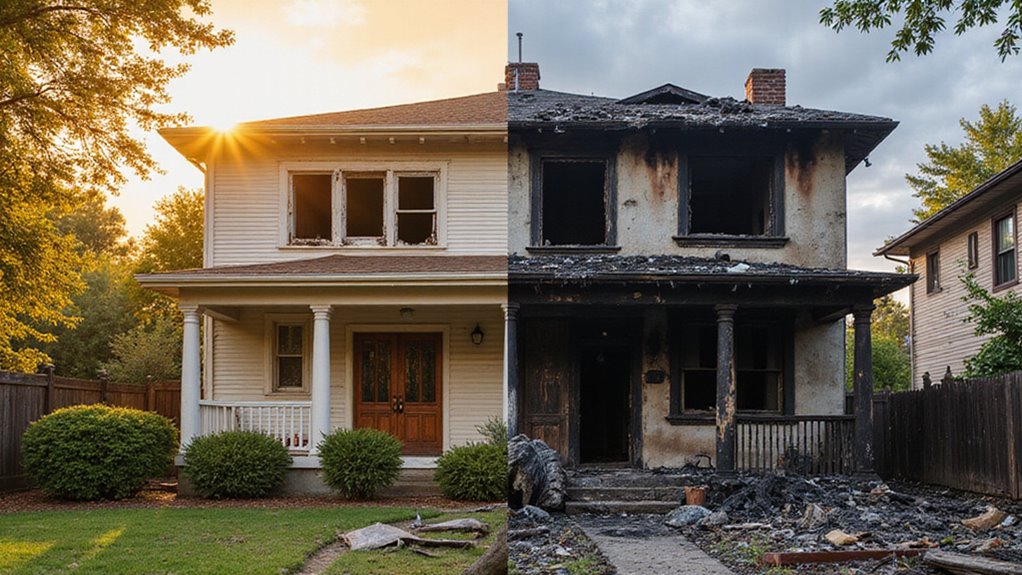
When considering restoring your fire-damaged property, you’ll find significant benefits like increasing its market value and preserving personal memories tied to the home. However, you must also weigh the challenges, such as high repair costs and the lengthy time commitment required for full restoration. Be prepared to assess these risks carefully, as they can impact your financial and emotional investment in the process. Additionally, similar to issues with mold, fire damage can lead to complications like hidden structural damage that may require professional inspection before restoration.
Benefits of Restoring
Restoring a fire-damaged property helps preserve its heritage value. If it’s a historic home, you can maintain its unique charm. This choice also prevents losing a meaningful space.
Restoration lets you create custom designs for your home. If you rebuild, you can match it to your style. This makes the space truly yours.
Restoring often increases your property’s market value. If you plan to sell later, this can be a wise investment. It ensures a better return.
Restoration guarantees your home meets current safety standards. If professionals handle repairs, risks are minimized. You gain peace of mind.
Restoring your home can feel deeply rewarding. If you reclaim old memories, it strengthens your connection. The transformation can inspire joy.
Challenges and Risks
Restoring a fire-damaged property is a tough choice with many challenges. High costs for materials and labor can strain your budget. If supply chain issues arise, prices might soar or deliveries could delay.
An economic downturn may shrink your funds and limit financing options. This can make the restoration process even harder. Hidden damage might also appear during repairs, raising unexpected costs.
Finding skilled contractors for complex fire restoration can be difficult. Their availability might be low, slowing down progress. If setbacks occur, the emotional toll could test your patience.
Carefully consider these risks before deciding to restore. Weighing financial and personal impacts is crucial. If challenges seem too big, explore other options.
What Does Selling As-Is Mean After a Fire?
When you’re considering selling your fire-damaged property as-is, you’re opting to list it in its current condition without making repairs, meaning buyers accept all visible and hidden issues. This process often moves faster than traditional sales, but you’ll need to understand the legalities and disclosures required in your area to avoid future disputes. You should also know that buyers of as-is, fire-damaged homes are typically investors or cash buyers looking for discounted properties to fix up themselves. Selling as-is can be especially beneficial with a company like ABQ Property Buyers, who specialize in purchasing homes with fire or water damage without requiring any repairs from the seller.
Definition and Process of As-Is Selling
Selling a property “as-is” after a fire means offering it in its current, damaged state. You won’t make any repairs or upgrades before the sale. This tells buyers they must handle all risks and costs.
The process starts with listing the home and fully disclosing the fire damage. If you hide issues, legal problems could arise. Transparency is key to a smooth transaction.
You must also manage Escrow to secure funds during the sale. Title Verification is needed to confirm ownership. If issues appear, they can delay the process.
Selling as-is saves time and money upfront for you. However, it often leads to a lower sale price. If buyers know the condition, they may still be interested.
Who Buys Fire-Damaged Properties As-Is?
If you own a fire-damaged property, certain buyers will purchase it as-is without repairs. These buyers see value in damaged homes and aim to profit. Knowing them helps you sell strategically.
Real estate investors often buy such properties at low prices. They plan to renovate and resell for a profit. If you approach them, they might offer quick deals.
Auction participants also look for fire-damaged homes to bid on. They seek bargains and take risks on damaged properties. If auctions are local, this could be an option.
Wholesalers are another group interested in as-is sales. They buy cheap and sell to other investors without fixing anything. If speed matters, wholesalers might work for you.
Lastly, flippers focus on quick renovations for fast returns. They target damaged homes to transform and resell. If they’re active nearby, they could be potential buyers.
Pros and Cons of Selling a Fire-Damaged Property As-Is
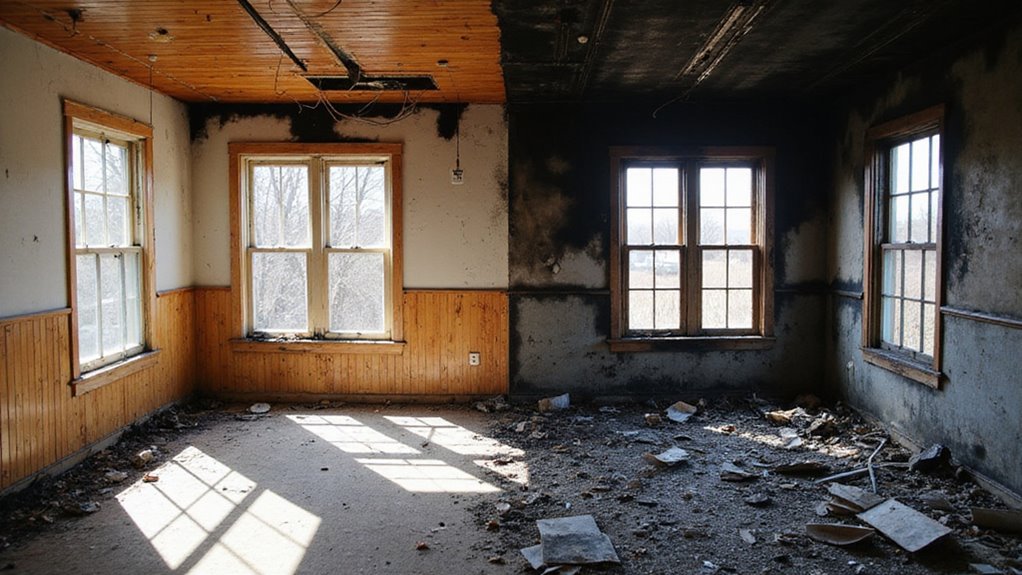
When considering selling your fire-damaged property as-is, you’ll find distinct advantages that can make this option appealing. You should also weigh the drawbacks and limitations that might impact your decision or financial outcome. Let’s break down these key factors to help you make an informed choice. One significant benefit is that cash buyers will often purchase homes in any condition, regardless of the extent of fire damage.
Advantages of Selling As-Is
Many homeowners struggle with fire-damaged properties, and selling as-is can be a smart choice. This option offers a quick way to move on from a burdened home. If you choose this, you can avoid long delays and stress.
Selling as-is brings several clear benefits to the table. You can close deals fast without waiting for renovations. If repairs are costly, you won’t need to spend a dime.
This method also reduces your stress significantly. You don’t have to manage complicated restoration work. If you’re overwhelmed, this can save you time and effort.
Another perk is attracting the right buyers easily. Cash investors often look for fixer-upper homes like these. If you sell as-is, they might offer quick deals.
Drawbacks and Limitations
Selling a fire-damaged property as-is can be tough. Many buyers avoid homes needing major repairs. This often leads to fewer offers and a longer selling time.
The property’s appearance may also deter potential buyers. Charred walls or smoke-stained ceilings can seem unappealing. If buyers can’t see the potential, they might walk away.
Safety and repair concerns add to the challenges. Damaged electrical systems or poor insulation could worry buyers. These issues might mean costly fixes if not addressed.
Legal issues could arise during the sale process. You must disclose all damages to avoid liability. If problems are hidden, you might face legal trouble.
Finally, expect a lower sale price with this approach. Avoiding repair costs often means accepting less money. Prolonged market time could also frustrate your plans.
Comparing Financial Outcomes: Restoration vs As-Is Sale
When weighing your options after fire damage, you’ve got to analyze the potential returns from restoration against the net gains from an as-is sale. Consider how investing in repairs might boost your property’s market value, possibly yielding a higher profit if the costs don’t outweigh the returns. On the flip side, selling as-is could mean a quicker transaction with lower upfront expenses, but you’ll likely accept a reduced price. Additionally, opting for an as-is sale to Home for Cash buyers can provide a fast and hassle-free process without the need for repairs.
Potential Returns from Restoration
Restoration of a fire-damaged property can yield better financial returns than selling it as-is. If you restore, you invest in higher market value and potential profits. This choice often brings a premium price due to the effort involved.
Consider the costs of renovation before deciding on restoration. If expenses are high, returns might be lower. Evaluate how much you’ll spend to fix the property.
Estimate the property’s value after repairs are complete. If the market value rises significantly, restoration could be worthwhile. This helps predict your financial gain.
Factor in the time needed for restoration work. If delays occur, they might reduce your overall returns. Time impacts how soon you can sell.
Think about buyer interest in a restored home. If appeal increases, more buyers might make offers. This boosts your chances of a good sale.
Analyze these points to see if restoration fits your goals. If the numbers work, it could be a smart move. Decide based on clear financial data.
Net Gains from As-Is Sale
Selling a fire-damaged property as-is can lead to faster deals. You might get a lower price due to the damage. Still, you save on repair costs and time.
This choice could affect your equity if damage is severe. You may recover less of your investment. If equity loss worries you, calculate potential returns carefully.
There could be tax benefits with an as-is sale. Some deductions or lower capital gains taxes might apply. Check local laws to confirm your situation.
Make sure to review all numbers before deciding. If net gains from a quick sale look good, it might work. A fast sale can sometimes balance equity loss.
Timeline Considerations: Which Option Is Faster?
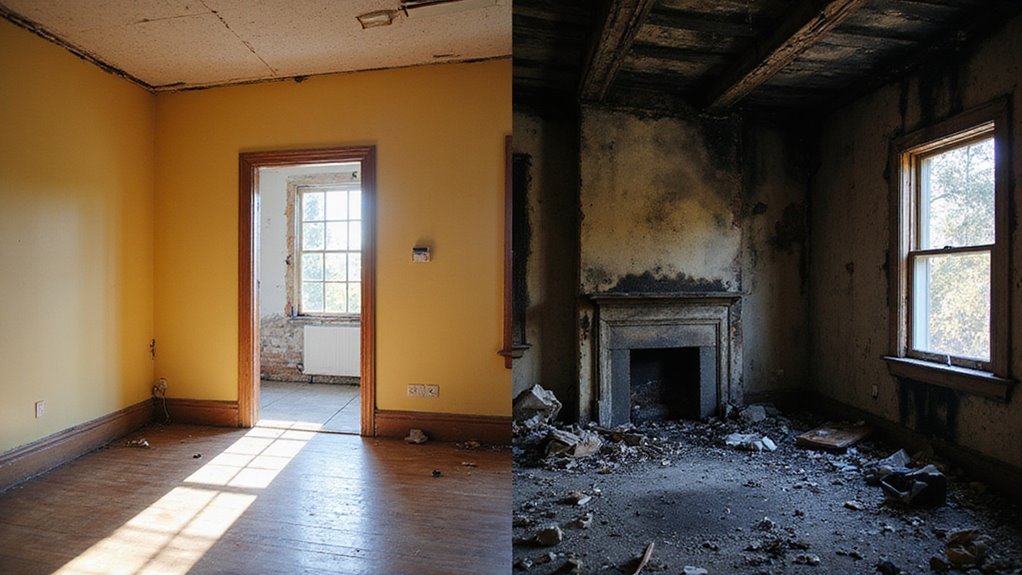
When you’re weighing fire damage restoration against selling your property as-is, timeline is a critical factor to consider. Restoration can take months, as you’ll need to coordinate repairs, secure permits, and ensure the work meets safety standards. On the other hand, selling as-is often moves much faster, since you’re skipping repairs and targeting buyers ready to close quickly. Cash sales, in particular, can expedite the process with a quick closing timeline.
Time Required for Restoration
Deciding between restoring fire damage or selling your property as-is depends on your timeline. Restoration often takes a long time and can be hard to predict. If delays happen, your wait for completion could stretch further.
Several factors can slow down the restoration process. The severity of fire damage affects how long repairs take. If damage is extensive, expect more time for cleanup.
Weather can also cause delays in the project. Rain or extreme cold might stop outdoor work completely. If conditions are bad, schedules will likely shift.
Labor shortages are another common issue to consider. Finding skilled workers can be tough at times. If workers are unavailable, delays are almost certain.
Lastly, permits and inspections add extra time. Securing approvals often takes several weeks to finalize. If you’re short on time, think carefully before starting.
Speed of Selling As-Is
Selling a fire-damaged property as-is can be very fast. You avoid long repairs and list the home right away. This lets you reach investors who want quick deals.
If you use online platforms, offers can come within days. Cash buyers might even close in just a week. This speed helps if time is important to you.
Unlike restoration, there’s no delay for contractors or permits. Selling as-is means a simple, direct transaction. If speed matters, this option works best.
Choosing this path could get you out quickly. You can move forward without stress or waiting. If delays are a concern, this is ideal.
Emotional and Psychological Factors
As you face the aftermath of a fire, coping with trauma and loss becomes a heavy burden that shapes your decisions. You’ll need to weigh your motivation to rebuild, confronting the emotional toll of restoring what’s been damaged, against the relief of letting go by selling as-is. This internal struggle often defines whether you reclaim your space or release it for a fresh start. During this challenging time, engaging in St. Joseph prayers can provide spiritual comfort and hope as you navigate your choices.
Coping with Trauma and Loss
A house fire causes more than physical damage; it harms emotionally too. It destroys memories and shatters your sense of safety. This loss can deeply affect your stability and peace.
If you face such trauma, acknowledging your emotions is vital. Don’t hide your grief; let it out openly. This helps in starting the healing process.
Support from others can make a big difference. Reach out to family, friends, or counselors for help. They can provide comfort during tough times.
Self-care is also important when dealing with loss. Ensure you rest and do calming activities daily. If you feel low, prioritize your well-being.
Setting small goals can rebuild your confidence. Focus on tiny achievements each day for control. If overwhelmed, take it step by step.
Motivation to Rebuild vs Letting Go
Rebuilding after a fire often comes from a deep connection to your home’s past. Strong memories and family history might push you to restore what was lost. If nostalgia drives you, rebuilding can bring back a sense of stability.
Letting go can also be a strong choice after a disaster. You might want freedom from the pain tied to that space. If trauma weighs heavy, moving on could offer emotional relief.
Your choice depends on what feels right for your future. If past memories inspire strength, rebuilding may be best. If starting fresh promises peace, letting go could heal you faster.
Insurance Coverage and Its Role
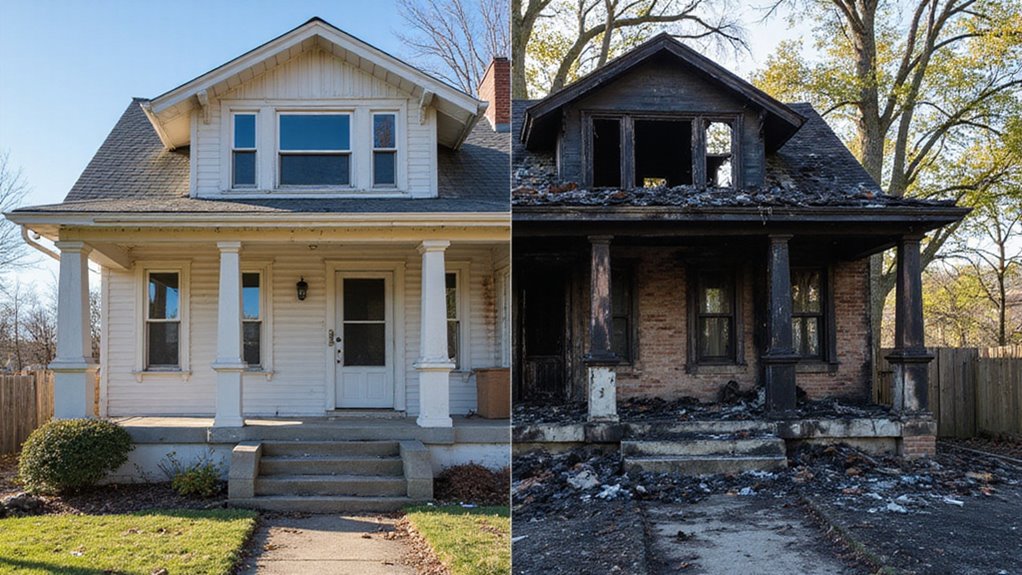
When dealing with fire damage, you’ve got to weigh how insurance can play a critical role in your next steps. You can use your policy to fund restoration, covering repairs to bring your property back to its former state, though this often requires time and patience. Alternatively, consider cashing out with your insurance payout and selling the property as-is, which might offer a quicker financial resolution but potentially less profit.
Using Insurance for Restoration
Insurance is key to fixing your fire-damaged property. It can cover repair costs if you have the right policy. This reduces financial stress when disaster hits.
Understanding your policy is important for maximum benefits. Check deductibles and limits to avoid surprises. If gaps exist, consider extra coverage options.
Claims might increase future premiums, so plan wisely. Don’t ignore this impact before filing a claim. Think about long-term costs carefully.
First, review your policy to know covered damages. Ensure you understand what’s included in your plan. This helps avoid delays.
Next, document the damage with clear photos. Keep all records for a smooth claim process. This evidence supports your case.
Then, contact your insurer quickly to file a claim. Acting fast starts the restoration sooner. Delays can worsen property issues.
Finally, hire approved professionals for repairs. They ensure quality work under insurance terms. This speeds up recovery effectively.
Cashing Out with Insurance and Selling As-Is
Cashing out your insurance after a fire can be a smart choice. This lets you get money without fixing the home. If you act fast, you can avoid delays in your payout.
Selling your fire-damaged home as-is saves time and effort. Investors or buyers often want fixer-uppers at low prices. If the price is right, you could sell quickly.
File your insurance claim on time to meet deadlines. Check your policy to know the coverage limits. If market conditions are good, selling as-is might bring better returns.
Local Market Conditions and Real Estate Trends
As you weigh the decision between fire damage restoration and selling as-is, consider how local market conditions shape buyer interest. You’ll find that demand for restored homes often hinges on neighborhood preferences for move-in-ready properties, reflecting higher buyer willingness to pay a premium. Meanwhile, check investor appetite for as-is properties, since bargain-hunters and flippers can drive quick sales in certain markets. Additionally, selling to a cash buyer can provide a faster and more guaranteed transaction in urgent situations.
Demand for Restored Homes
The demand for restored homes depends on local market conditions and real estate trends. If your area values renovated properties, restoring your fire-damaged home could be wise. Understanding these factors helps you decide better.
Local buyer interest plays a big role in demand. If buyers want move-in-ready homes, restored properties might sell fast. Check if this trend fits your area.
Housing inventory also affects demand for renovated homes. If there’s a shortage of updated properties, your restored home could stand out. Assess the nearby market to confirm this.
The local economic climate matters too. If the economy supports higher-priced homes, restoration may pay off. Look at income levels and job growth.
Lastly, consider renovation costs carefully. If costs exceed potential sale price, restoring might not be worth it. Calculate expenses before starting.
Investor Appetite for As-Is Properties
Investor appetite for as-is properties depends on local market conditions and trends. In a hot market, investors often buy damaged homes at low prices. They usually aim for quick flips or rental income.
Global demand also plays a role in this interest. International investors may focus on stable or growing areas. If local values are rising, they might prioritize distressed properties.
Check recent sales data to understand current demand. Consult real estate experts for better insights. If investor interest is high, selling as-is could be smart.
Knowing these factors helps in making decisions. Market dynamics can guide your selling strategy. If trends favor investors, act accordingly.
Legal and Disclosure Requirements
When selling a fire-damaged property, you must navigate the legalities to ensure compliance with local and state laws. Understand that full disclosure is critical; you’re required to share specifics about the fire’s impact and any known structural or safety issues with potential buyers. Failing to meet these obligations can lead to legal repercussions, so tread carefully and consult a professional if needed. Additionally, if the property was inherited, be aware that probate court approval may be required before the sale can proceed.
Legalities of Selling a Fire-Damaged Property
Selling a fire-damaged property involves complex legal rules. You must understand these to avoid serious issues. If unsure, seeking help can protect you.
Key legal points need your attention. Taxes might change with a damaged property sale. Consult a tax expert if needed.
Zoning laws could affect your property’s status. Check if fire damage limits rebuilding in your area. If restrictions apply, plan accordingly.
Permits and inspections are also crucial. Ensure all repairs follow local building codes. If repairs are pending, verify requirements.
Liability is another important concern. Protect yourself from claims about the property’s condition. If risks arise, legal advice helps.
Equip yourself with knowledge for this process. A lawyer can guide you through challenges. If issues occur, stay informed.
Full Disclosure: What Must Be Shared with Buyers?
Selling a fire-damaged property requires full disclosure to buyers. You must share all known issues like fire damage or safety hazards. If you hide details, you could face legal problems.
Honesty is key when informing potential buyers. Provide documents such as fire reports or repair records. This transparency builds trust with them.
Buyer education matters in this process. Help buyers understand the property’s history and any risks. If risks exist, warn them clearly.
Full disclosure is both a legal and moral duty. It protects you and the buyer from future issues. If you stay honest, everyone benefits.
Working with Professionals: Restoration Experts vs Real Estate Agents
When dealing with fire-damaged property, you’ll need to decide whether to work with restoration experts or real estate agents, and finding reputable fire restoration companies is crucial if you’re leaning toward rebuilding. Make sure you research their track record, certifications, and reviews to ensure quality service. If selling as-is feels right, choosing the right real estate professional with experience in distressed properties can help you navigate offers and maximize value.
Finding Reputable Fire Restoration Companies
After a fire, choosing the right restoration company is crucial. You can rebuild your property if you pick wisely. Don’t hurry; take time to find skilled experts.
Start by checking a company’s credentials. Look for proper certifications and insurance to ensure quality. If they lack these, avoid hiring them.
Next, read reviews and testimonials from past clients. Consistent positive feedback shows reliability and trust. If reviews are mixed, be cautious.
Then, ask for references to learn more. Speak with previous customers about their experiences. This helps if you want honest opinions.
Finally, compare quotes from different companies. Analyze bids for fair pricing and clear plans. If costs seem high, question the details.
With these steps, you’ll find a trustworthy team. They will rebuild your property with care. If you follow this, success is likely.
Choosing the Right Real Estate Professional
Selling a fire-damaged property as-is needs a skilled real estate agent. The right professional can guide you effectively. If you pick wisely, your sale process becomes smoother.
Start by checking the agent’s credentials and experience. Look for someone who has sold distressed properties before. If they have local knowledge, it’s a big plus.
Next, evaluate their marketing plans for your property. A good agent will target investors or fixer-upper buyers. If they use online listings and photos, it helps attract interest.
Finally, ensure they understand your specific goals. Clear communication is key to a successful partnership. If they listen well, you’ll feel more confident.
Tips for Making the Right Decision
As you weigh whether to restore your fire-damaged property or sell it as-is, start by assessing your personal priorities and long-term goals to clarify what truly matters most. Next, analyze the costs, time, and stress levels involved in restoration versus selling, ensuring you’ve got a clear picture of each path’s demands. This focused approach’ll help you make a decision that aligns with your unique situation.
Personal Priorities and Long-Term Goals
Deciding whether to restore a fire-damaged property or sell it as-is depends on your priorities. Think about what matters most to you now and in the future. If your goals include health or travel, let them guide you.
Consider your lifestyle needs first. Do you want a stable home or freedom to travel often? If stability is key, restoring might be better.
Next, look at your emotional connection to the property. Are you attached to it, or ready to let go? If attachment is strong, rebuilding could feel right.
Think about your future vision too. Does restoring the property match your dreams, or does selling create new chances? If selling opens doors, it might be ideal.
Finally, focus on personal growth. Which choice supports your well-being and long-term hopes? If one option feels more fulfilling, choose it.
Evaluating Costs, Time, and Stress Levels
Restoration of a fire-damaged property costs a lot upfront for repairs. Selling as-is may lower the price, but saves money. If you’re far, travel to check on work can get expensive.
Restoration takes months and might clash with your busy days. Selling as-is often closes fast, saving you time. If time is tight, this could be the better choice.
Managing a rebuild can drain your energy completely. Selling as-is lets you move on without much hassle. If stress is a concern, think about walking away early.
Real-Life Case Studies and Scenarios
As you weigh the options between fire damage restoration and selling as-is, let’s examine two striking real-life examples to guide your decision. Consider a homeowner’s successful restoration journey, where dedication and investment transformed a charred property into a valuable asset. Then, contrast that with a profitable as-is sale to an investor, where a quick transaction yielded surprising returns without the hassle of repairs.
A Successful Restoration Journey
Have you ever seen a successful fire damage restoration? Imagine homeowners rebuilding their lives after a disaster strikes. Their journey shows how to turn a damaged house back into a warm home.
These homeowners start with a careful assessment. They check every corner for hidden damage. If issues are missed, bigger problems could arise later.
Next, they team up with expert contractors. These professionals ensure repairs are done right. If you choose skilled help, results will be better.
Budget tracking is also crucial for success. They monitor every expense to avoid surprises. If costs spiral, stress can grow quickly.
Finally, emotional strength keeps them going. They face setbacks but never give up. If you stay determined, recovery becomes possible.
Profitable As-Is Sale to an Investor
Selling your fire-damaged property as-is to an investor can be a smart choice. If repairs seem overwhelming, this path saves effort. Investors often seek distressed homes and handle the fixes themselves.
You can find the right buyer with some simple research. Look for local investors who focus on damaged properties. If you present your home’s potential clearly, they might offer a quick deal.
A real example shows how this works well. One homeowner sold their burnt house in just two weeks. With a fair cash offer, they avoided all repair costs.
If you structure the deal wisely, both sides can benefit. Target investors who value speed and convenience. This approach often brings profit faster than restoring the property.
Conclusion
In conclusion, choosing between fire damage restoration and selling as-is depends on your personal needs. If speed matters most, selling as-is could be the right choice. If maximizing value is key, restoration might be worth considering.
When deciding, consider that we buy houses for cash, offering a quick solution. If you’re unsure about restoration costs, selling directly can save time. We understand the stress of fire damage and are here to help.
Reach out to us at ABQ Property Buyers for a fair, fast offer. If you’re ready to move forward, we’ll guide you through the process. Contact us today to discuss your options!

Derrick Rosenbarger is a real estate investor and owner of ABQ Property Buyers, LLC since 2016. His background includes over 16 years as an Instructor Pilot in the United States Air Force, which honed his leadership skills. Today, he is dedicated to growing his real estate portfolio and helping others in the property market. Derrick's commitment to excellence makes him a reliable expert in real estate investment.